
Sara Gómez Trillos (Col class of ’17)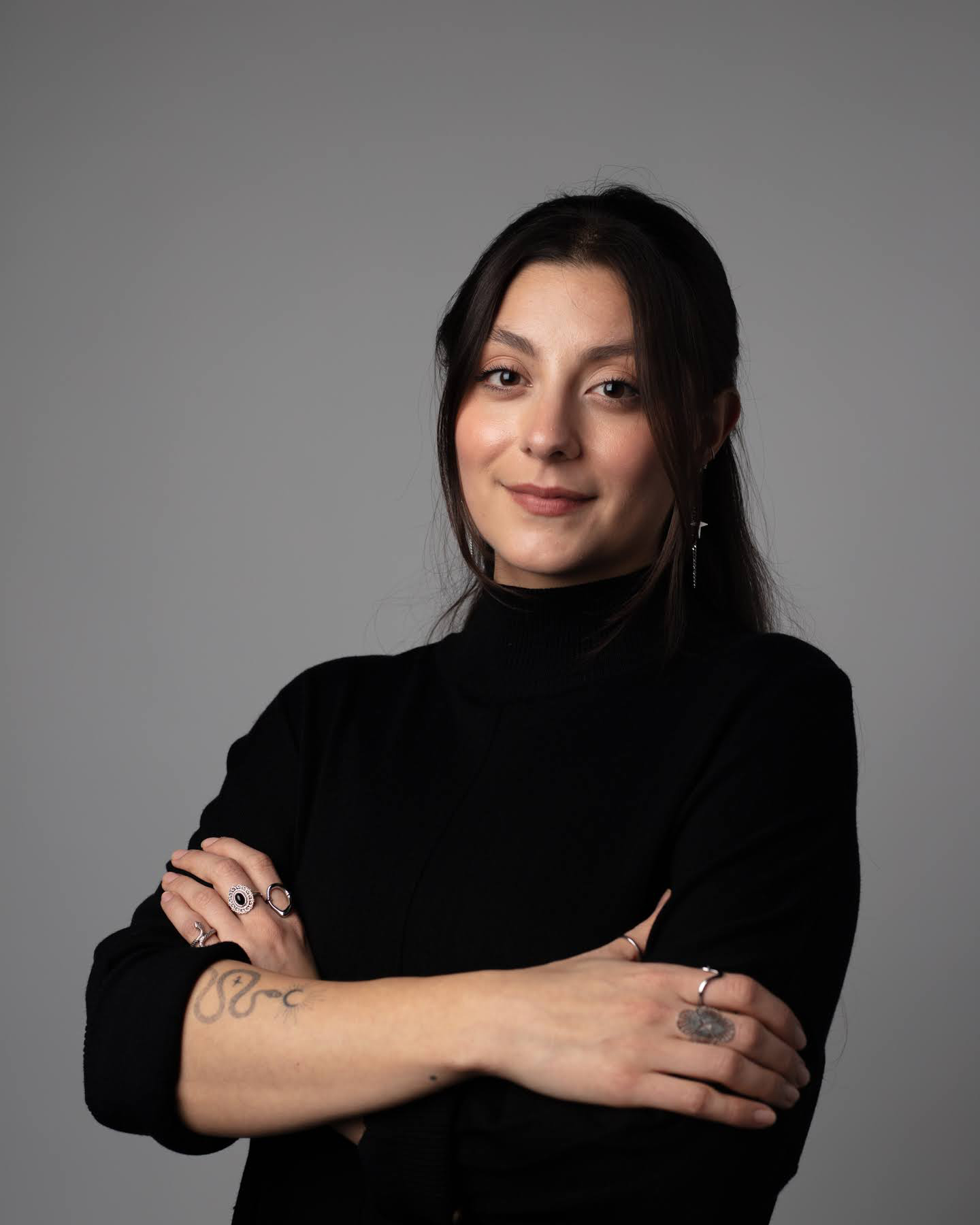
I was born and raised in Medellín, Colombia, but I’ve always loved traveling and meeting people from different cultures. By the time I was 16, I already knew that I wanted to follow a career in research, and I made the decision to move to the United States to pursue my college education. I graduated from UVA in 2017 with a double major in psychology and cognitive science and went on to work in cancer prevention and control at Georgetown, where I completed my M.S. in global health. At Georgetown, I became a Senior Research Specialist in the cancer center and built the foundation for my career as a researcher, working on health equity in translational genomics. In 2023, after a decade of being immersed in research and academia is the U.S., I moved back to Colombia. Since then, I started my own consulting practice, founded a digital magazine centered on health communication, and started my Ph.D. in epidemiology and biostatistics.
My current work is at the intersection of chronic disease prevention and control, health equity, and health innovation, and I work on areas as diverse as cancer, mental health, and cardiovascular disease. Besides working and studying, I’m an avid reader and writer, I love creating new things, I still travel a lot and the favorite part of my day is my morning coffee – Colombian, of course.
Which personal or cultural values have guided your success, and how do you incorporate them into your work or life?
Success means different things for different people. In the traditional sense, if I think back on the places where I have been and the recognitions that I’ve received, it always comes back to a combination of being prepared for opportunities, seeking them out, and also a good amount of luck. I am an incredibly hard worker – okay, maybe a bit of a workaholic, too – but I am the kind of person who prefers to do something really well or not at all, and that comes through in my work. I always strive to go the extra mile and do things with passion and intention.
On a personal level, however, success to me right now looks like working in the field that I love and being able to balance my work, my Ph.D., and continuing to do other things which make me happy. As my work is such a big driver for me and it’s connected to my life’s purpose, I’ve never really disentangled “work” and “life,” but I have learned with time how to prioritize different things to make sure that I am living a life that is fulfilling to me.
Can you share a pivotal moment or lesson that significantly shaped your professional or personal growth?
I would say that the pivotal factors shaping my professional and personal growth have never been moments per se, but rather people; specifically, mentors. This may apply to a lot of different fields, but in academia, having a good mentor is key. At UVA, Dr. Joe Allen was the first person to get me truly excited about research. Working at the VIDA lab was a key part of my journey in understanding how a research team works and how to develop relationships with participants. In my last years at UVA, Dr. Bethany Teachman was also a great source of inspiration; her leadership and support got me engaged with digital mental health, and we’ve recently reconnected as I am now working in the same space. Lastly, Dr. Sandra Seidel was a true personal mentor in my spiritual growth. My mentor at Georgetown, Dr. Alejandra Hurtado de Mendoza, deeply changed and influenced my career trajectory. Not only is she an amazing scientist, but her commitment to working with vulnerable communities is admirable. Her leadership, encouragement, lessons, and trust were the keys that allowed me to flourish under her wing. Now, at Universidad CES, Dr. Alejandra Segura Cardona has been a wonderful source of guidance in helping me develop my own research project. I have had the fortunate of having great mentors in my journey, so I try to pay it forward with my students, clients, and mentees.
How have you built and maintained meaningful connections within your professional or community networks?
Being authentically you is your best superpower. As with any other kind of relationship, the pillars to building meaningful connections are always reciprocal and based on respect and honesty. I’ve had the great fortune of working with people whom I not only respect, but also deeply admire. Being surrounded by a group of wonderful women, I’ve learned from them other tips to working with vulnerable communities. First and foremost, we listen. As scientists or researchers working with vulnerable communities, our responsibility is to them; to learn from them, to listen to them, to build meaningful work that is actually needed. Second, in order to listen to communities, we need to be respectful, but also humble – there is no place for ego and arrogance in this work. Third, building trust in these relationships is key, although it’s not as easy as it sounds. And, lastly, as I grow up, I realize more and more the importance of kindness, particularly in this field which is so often permeated by competition or toxic environments – I genuinely believe we all need to be a little bit kinder to ourselves and to each other; after all, science should really be about collaboration.
What advice would you offer to young Latin American UVA students or early-career professionals who aspire to follow a similar path?
There is no single correct path, we all go our ways and have different stepping stones. This is probably one of the hardest pieces of advice to follow, but try not to compare yourself with others. I started my Ph.D. at 30 years old, and it’s one of the best decisions I’ve made. We can celebrate our friends’ and colleagues’ success and acknowledge that their success doesn’t negate our own. Academia and science get a bad reputation for toxic environments. Unfortunately, this is often true, so I would highly encourage you to surround yourself with nice and smart people. Actively seek mentors that will support you, but know that, ultimately, your success will depend on your own initiative and drive –mentors are there to guide you, but nobody will do the hard work for you. When you need to make decisions, listen to everyone’s feedback, but make your own decisions. Make sure that your priorities are very well defined and aligned with your values and your life’s purpose and remember that balance looks different for all of us.